

Here’s the uncomfortable truth: nobody likes being told they’re “too much.” It hits ego, identity, and self-worth all at once. Talking is deeply personal; it’s how we express ourselves. So when you criticize someone’s communication style, it can feel like you’re criticizing them as a person.
That’s why blunt statements like “You talk too much” almost always backfire. They sound like an attack, not feedback. And once someone feels attacked, they stop listening. The conversation becomes defensive instead of productive.
Instead, framing matters. It’s not about shutting someone down; it’s about creating balance. Think of it like adjusting volume, not muting completely. When you approach the situation with empathy and clarity, you shift the tone from judgment to collaboration. And that’s where real communication begins.
Impact on Relationships and Work
Over-talking doesn’t just annoy people; it can quietly damage relationships. Friends may feel unheard, colleagues may lose focus, and conversations become draining instead of engaging.
In professional settings, this becomes even more critical. Meetings can lose efficiency, teamwork suffers, and important voices get drowned out. Experts emphasize that dominating conversations can reduce overall communication quality and collaboration.
The irony? People who talk too much often want connection; but end up pushing others away. That’s why addressing it the right way is so important.
Polite Ways To Tell Someone They Talk Too Much
Using Gentle Language
If you want to say it without sounding harsh, wording is everything. You’re not accusing; you’re guiding.
Try phrases like:
- I’d love to share something too; can I jump in?
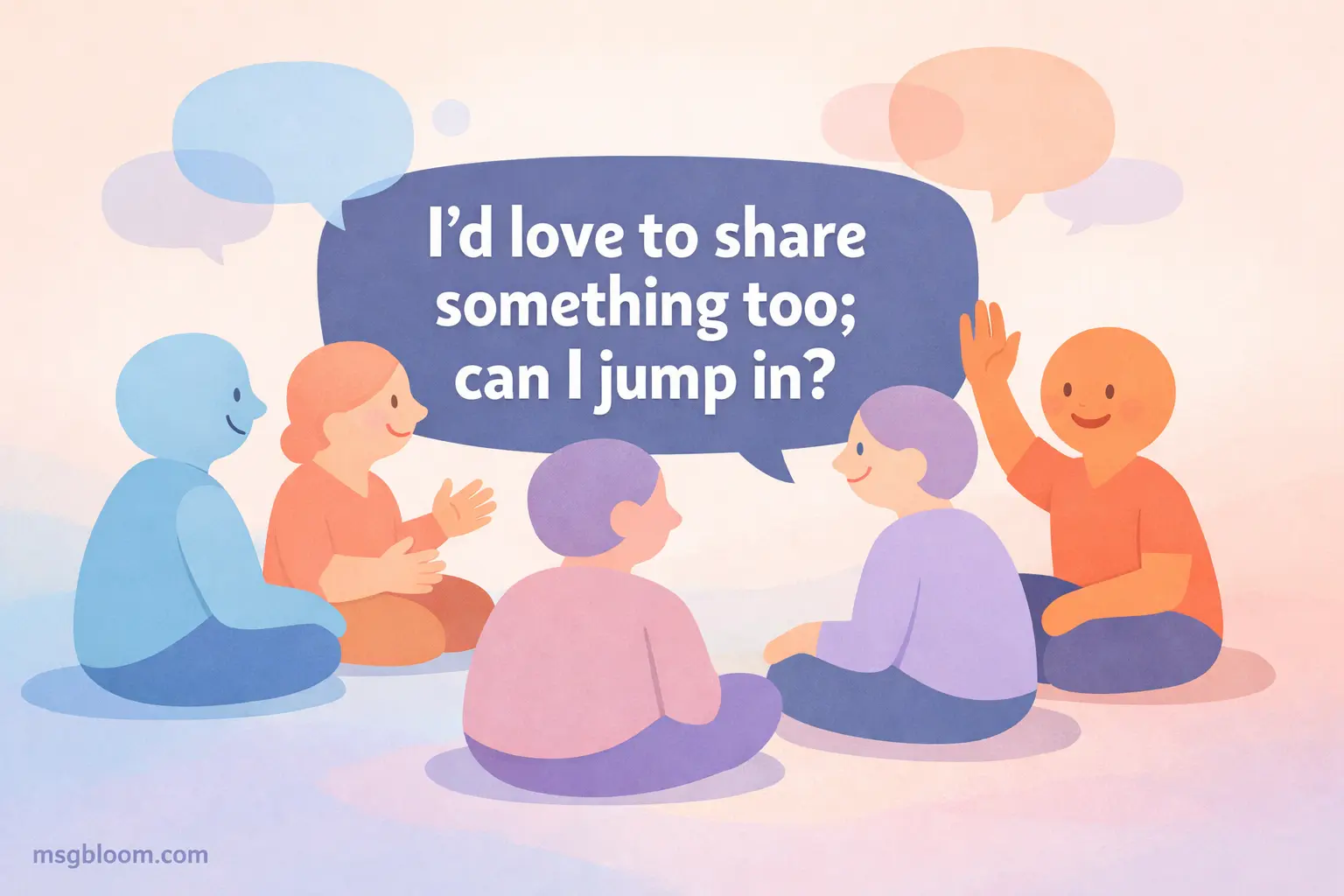
- Let’s hear what others think as well.
- That’s interesting! Can we pause for a second?
See the difference? You’re not blaming them; you’re inviting balance.
This approach works because it focuses on the conversation, not the person. It subtly shifts attention without triggering defensiveness.
Redirecting the Conversation
Another powerful technique is redirection. Instead of pointing out the problem directly, you guide the flow.
For example:
- Ask someone else a question
- Change the topic smoothly
- Summarize and move forward
Psychologists often recommend this because it maintains harmony while still achieving your goal. It’s like steering a car instead of slamming the brakes.
Funny Ways To Tell Someone They Talk Too Much
Humor Without Being Offensive
Humor can be your secret weapon; if used carefully. A light joke can soften the message and make it easier to accept.
Examples:
- Hey, save some words for tomorrow!
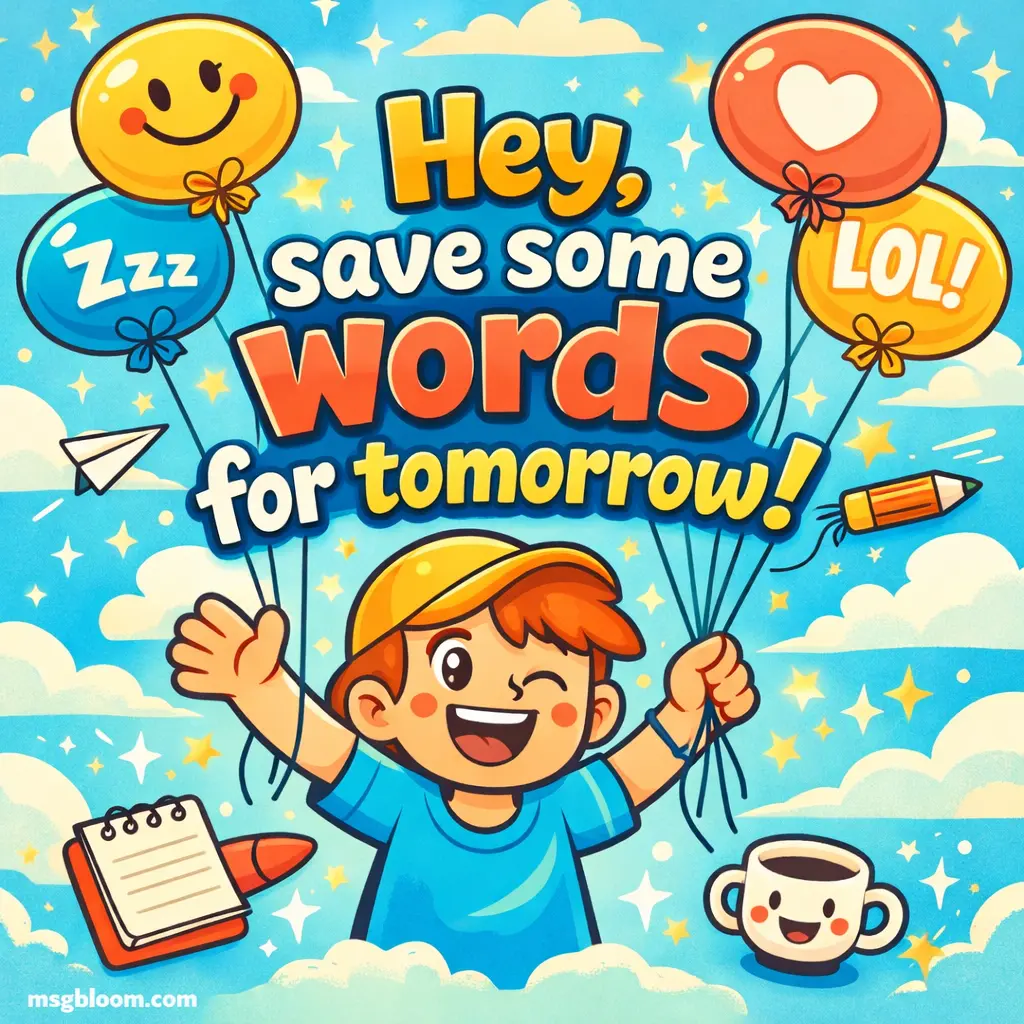
- Wait, is this a podcast episode?
- Let me grab popcorn first!
The key is tone. Smile, keep it playful, and avoid sarcasm that feels sharp.
Recommended Post: 60+ Best Comments For Mirror Selfies
When Humor Works Best
Humor works best with friends or people who already know your personality. In formal settings, it can be risky. If the person is sensitive, jokes might feel like mockery.
So read the room. If the vibe is relaxed, go for it. If not, stick to polite and direct communication.
How To Tell A Friend They Talk Too Much Nicely
Honest but Kind Conversations
With friends, honesty matters more; but so does kindness. This is where you can be slightly more direct, without being harsh.
Try something like:
- “Hey, I love our conversations, but sometimes I feel like I don’t get to share much. Can we make it more balanced?”
Notice how it focuses on your feelings, not their flaw. That’s the magic formula.
Preserving the Friendship
Friendships thrive on mutual respect. If you ignore the issue, resentment builds. If you address it poorly, feelings get hurt.
The sweet spot? Honest + gentle + respectful.
When done right, your friend may actually appreciate the feedback. Many people simply aren’t aware of their habits.
How To Tell A Colleague They Talk Too Much Politely
Professional Communication Techniques
Workplace conversations require extra care. You’re not just protecting feelings; you’re protecting professionalism.
Use neutral, task-focused language:
- Let’s keep this brief so we stay on track.
- Can we wrap this up? We’re running short on time.
- Let’s give others a chance to contribute.

These phrases shift focus to productivity, not personality.
Setting Boundaries at Work
Sometimes, subtle hints aren’t enough. That’s when boundaries come in.
You can say:
- “I have a deadline right now, so I need to focus.”
Simple. Clear. Respectful.
Experts often recommend setting time limits and boundaries as a practical way to manage over-talkers without conflict.
Kind and Gentle Ways To Handle Over-Talkers
Active Listening and Turn-Taking
Ironically, one way to fix over-talking is… better listening. When people feel heard, they often talk less.
Try:
- Nodding and summarizing
- Asking focused questions
- Pausing intentionally
This creates a natural rhythm instead of a chaotic one.
Encouraging Self-Awareness
Sometimes, the best approach is subtle awareness. You can gently point it out:
- “I’ve noticed our conversations get a bit one-sided sometimes; what do you think?”
This invites reflection instead of forcing change.
Smart and Professional Ways To Respond
Strategic Phrases to Use
Here are smart, effective lines you can use in different situations:
| Situation | Phrase |
|---|---|
| Group setting | “Let’s hear from others too.” |
| One-on-one | “Can I add something?” |
| Workplace | “Let’s stay focused on the agenda.” |
| Casual chat | “Hold on, I want to jump in!” |
These phrases are simple but powerful; they redirect without confrontation.
Managing Group Conversations
In group settings, balance becomes even more important. One person dominating can silence everyone else.
You can step in as a facilitator:
- Invite quieter people to speak
- Summarize key points
- Shift the topic
This keeps conversations inclusive and productive.
What To Say When Someone Talks Too Much
Ready-to-Use Phrases
If you want something quick and effective, here you go:
- Can we pause for a second?
- I’d love to share my thoughts too.

- Let’s keep it short.
- Can we take turns?
These are polite, clear, and easy to use in real life.
What NOT to Say
Avoid these at all costs:
- You talk too much.
- Can you just be quiet?
- You never stop talking.
They sound harsh, and they shut down communication instantly.
FAQs
1. Is it rude to tell someone they talk too much?
Not if you do it politely. The key is tone, wording, and intention. Focus on balance, not blame.
2. How do you politely stop someone from talking?
Use phrases like “Can we pause for a second?” or redirect the conversation to include others.
3. What causes someone to talk too much?
It can be personality, anxiety, excitement, or even conditions like ADHD.
4. How do you deal with a talkative coworker?
Set boundaries, keep conversations task-focused, and use time-based language like “I need to get back to work.”
5. Can talking too much ruin relationships?
Yes, if it prevents others from being heard. Balanced communication is essential for healthy relationships.

Ryan Mitchell is a 26-year-old American content creator based in Seattle, Washington, with a fresh and creative approach to modern blogging. Passionate about storytelling and digital trends, Ryan has developed expertise in writing engaging and relatable content that resonates with younger audiences. Through his work on msgbloom.com, he combines authenticity with strategic content structure, helping deliver valuable and trustworthy information while maintaining a strong connection with readers across diverse topics.