

Let’s be honest; telling someone to stop can feel like stepping onto thin ice. You might worry about hurting their feelings, creating tension, or even damaging the relationship. This fear is deeply human. Most of us are wired to avoid conflict because it feels uncomfortable and unpredictable. When you imagine the other person reacting negatively, your instinct is to stay silent; even if it means tolerating something that bothers you.
But here’s the catch: avoiding the situation doesn’t make it disappear. In fact, it often makes things worse. When you don’t speak up, the behavior continues, and resentment quietly builds. Over time, that frustration can leak out in less healthy ways; like sarcasm, withdrawal, or even sudden outbursts. Ironically, trying to avoid conflict can actually create bigger problems down the line.
So the real question becomes: would you rather face a small, respectful moment of discomfort now, or deal with a much bigger emotional mess later? Once you start seeing it this way, speaking up politely becomes less scary; and a lot more necessary.
The Desire to Be Liked
Another major reason people struggle to say “stop” is the desire to be liked. You don’t want to come across as rude, difficult, or overly sensitive. You might even think, “What if they think I’m overreacting?” That inner dialogue can be loud; and convincing.
But here’s something worth remembering: being liked shouldn’t come at the cost of your comfort or boundaries. Healthy relationships; whether at work, with friends, or in daily conversations; are built on mutual respect. And respect includes honoring each other’s limits.
When you communicate clearly and kindly, you’re not being rude; you’re being honest. And honesty, when delivered with care, actually strengthens relationships instead of weakening them.
Core Principles of Saying “Stop” Politely
Be Clear but Kind
Clarity is kindness. It might sound surprising, but vague communication often leads to confusion and frustration. If you say something like, “Maybe you could tone it down a bit,” the other person might not understand what you mean.
Instead, aim for simple, direct language. For example: “Hey, I’d appreciate it if you could stop doing that.” It’s clear, respectful, and leaves little room for misunderstanding. Pair that with a calm tone, and you’ve got a message that’s both firm and polite.
Use “I” Statements
“I” statements are your best friend in situations like this. They shift the focus from blaming the other person to expressing your own feelings. For example:
- I feel distracted when there’s a lot of noise.
- I’m not comfortable with that topic.

This approach reduces defensiveness and keeps the conversation constructive. You’re not attacking; you’re sharing.
How To Tell Someone To Stop Politely Without Being Rude
How To Tell Someone To Stop Politely At Work
Professional Language Examples
Workplace communication requires an extra layer of professionalism. You want to be respectful, clear, and solution-focused. Here are a few examples:
- Could we keep the conversation focused on the task?
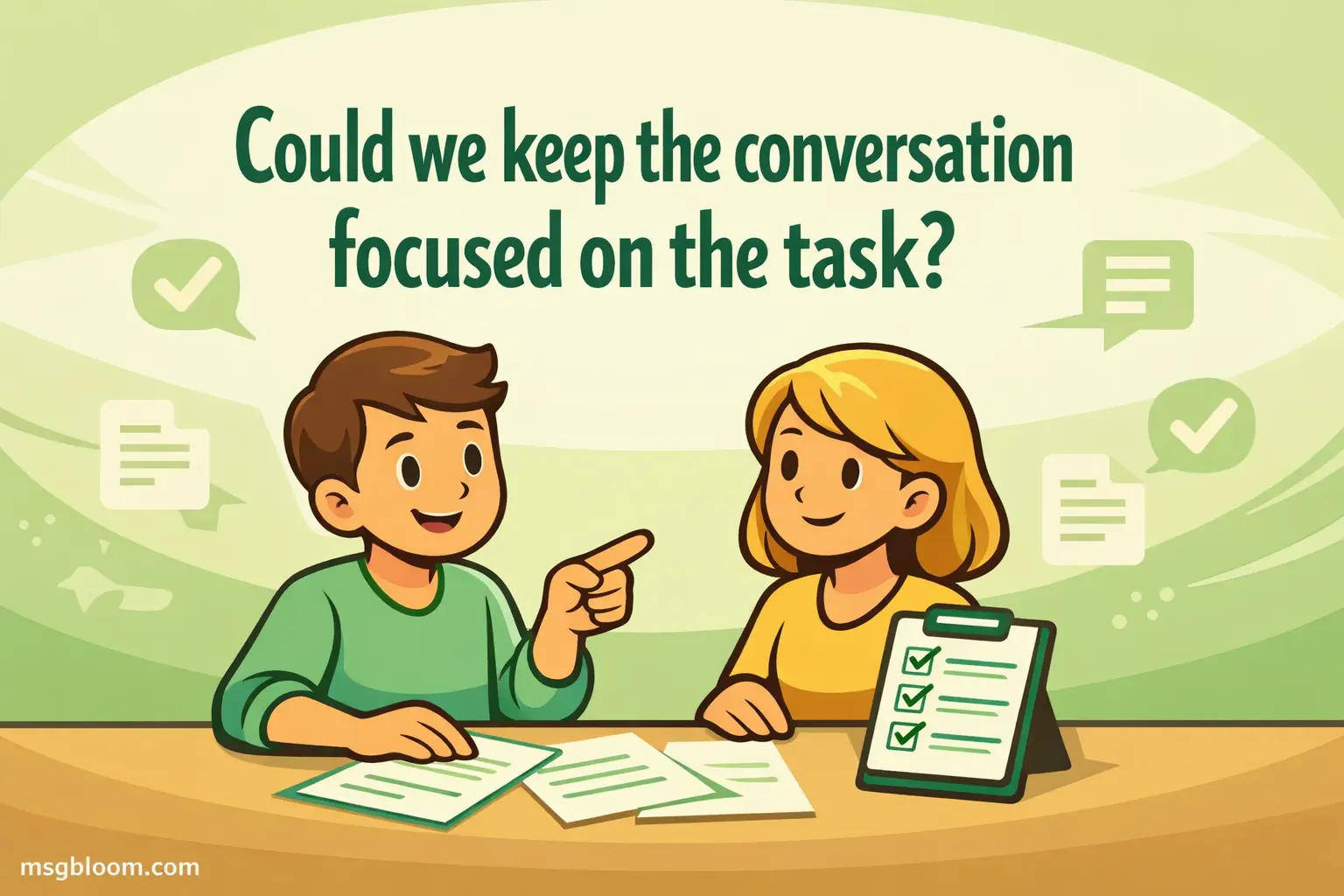
- I’d prefer if we handled this differently.
- Let’s keep things professional.
These phrases maintain a respectful tone while clearly setting boundaries.
Setting Workplace Boundaries
Work environments can be tricky because you’re often dealing with hierarchy, team dynamics, and ongoing interactions. Setting boundaries isn’t just about one moment; it’s about creating a sustainable work environment.
When you consistently communicate your limits politely, people learn what’s acceptable and what’s not. Over time, this builds a culture of respect around you.
How To Tell Someone To Stop Politely To A Coworker
Handling Repeated Behavior
If a coworker continues a behavior despite your initial request, it’s important to stay calm and consistent. You might say:
- “I’ve mentioned this before, and I’d really appreciate it if it could stop.”
This reinforces your boundary without escalating the situation.
Keeping It Professional
Avoid personal attacks or emotional language. Focus on the behavior, not the person. This keeps the conversation objective and prevents unnecessary tension.
How To Tell Someone To Stop Politely To A Friend
Maintaining the Friendship
Friendships are built on trust and honesty, which makes boundary-setting both easier and harder. Easier because there’s already a connection, and harder because you don’t want to hurt them.
The key is to be honest while showing care. For example:
- “Hey, I know you don’t mean anything by it, but that actually bothers me a bit.”
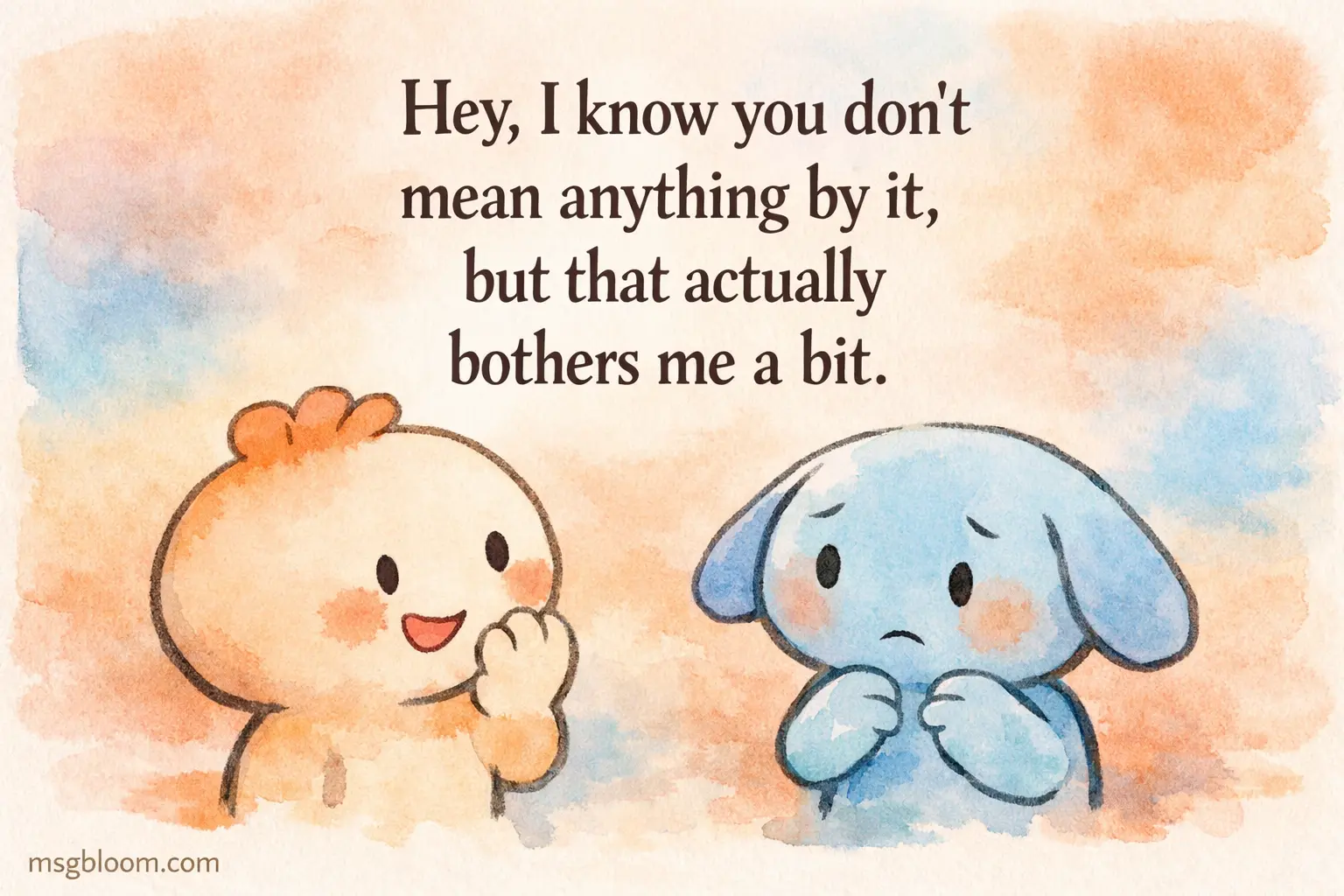
This approach softens the message while still being clear.
Honest but Gentle Communication
Friends usually appreciate honesty when it’s delivered kindly. By speaking up, you’re actually strengthening the relationship; not weakening it.
How To Tell Someone To Stop Politely In Conversation
Interrupting Gracefully
Interrupting someone can feel rude, but sometimes it’s necessary. The trick is to do it gracefully:
- “Sorry to jump in, but can we pause for a second?”
This acknowledges the interruption while keeping things polite.
Redirecting the Topic
If someone is discussing something uncomfortable, you can gently steer the conversation elsewhere:
- “Let’s talk about something else; I’m not really comfortable with this topic.”
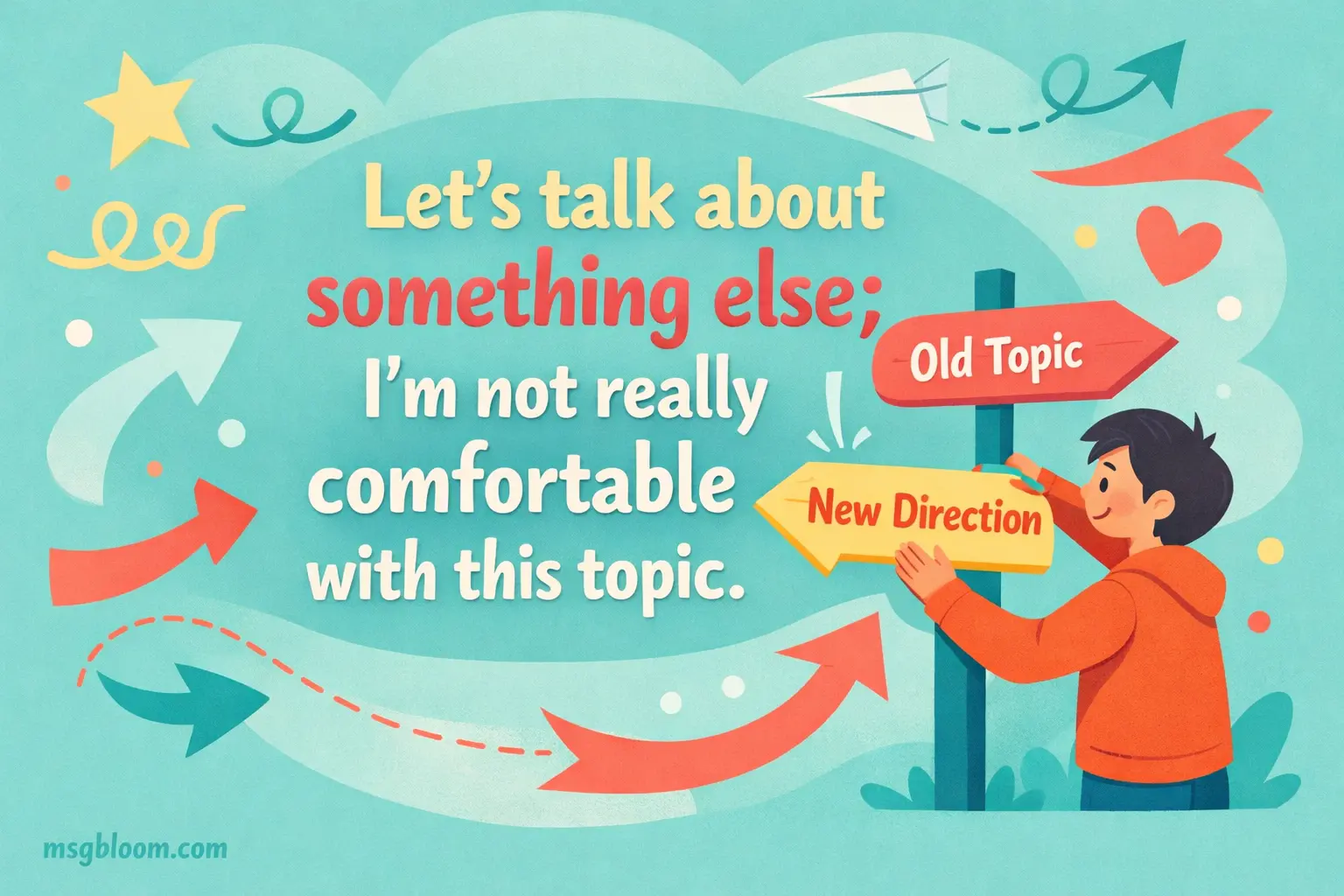
Simple, respectful, and effective.
How To Tell Someone To Stop Politely In A Message
Text Message Examples
Written communication lacks tone, so clarity is even more important. Here are a few examples:
- Hey, I’d appreciate it if you could stop sending those messages.
- I’m not comfortable with this, please stop.
- Can we keep things respectful?
These messages are direct but still polite.
Check Related: How To Say Congratulations On Your Wedding
Avoiding Misinterpretation
Since texts can be easily misunderstood, keep your language simple and neutral. Avoid sarcasm or ambiguous wording. When in doubt, reread your message before sending.
Gentle Ways to Tell Someone to Stop Politely
Soft Language Techniques
Sometimes, softer language works best; especially in sensitive situations. Phrases like:
- Would you mind…
- I’d prefer if…
- Could we…
These expressions make your request feel less like a command and more like a collaboration.
FAQs
1. How do I tell someone to stop without hurting their feelings?
Focus on using calm language, “I” statements, and a respectful tone. This keeps the message clear without sounding accusatory.
2. What if the person doesn’t listen the first time?
Repeat your request calmly and firmly. Consistency is key when reinforcing boundaries.
3. Is it rude to tell someone to stop?
No, it’s not rude when done politely. It’s a healthy way to communicate your needs.
4. How can I sound polite in text messages?
Use simple, respectful wording and avoid sarcasm. Adding phrases like “please” or “I’d appreciate it” helps.
5. What if I feel guilty after setting a boundary?
That’s normal at first. Remind yourself that your comfort and well-being matter just as much as anyone else’s.

Ryan Mitchell is a 26-year-old American content creator based in Seattle, Washington, with a fresh and creative approach to modern blogging. Passionate about storytelling and digital trends, Ryan has developed expertise in writing engaging and relatable content that resonates with younger audiences. Through his work on msgbloom.com, he combines authenticity with strategic content structure, helping deliver valuable and trustworthy information while maintaining a strong connection with readers across diverse topics.